Leaking again? Repair, replace a section or repipe?
Another leak can make you wonder whether you're paying to fix one spot while the next one is already on its way. A plumber may suggest repairing this leak, replacing a section or repiping the house.
Those are different jobs. Start with what each plumber found and why they recommend that amount of work. Repeated leaks deserve investigation, but the history alone doesn't tell you every pipe needs replacing.
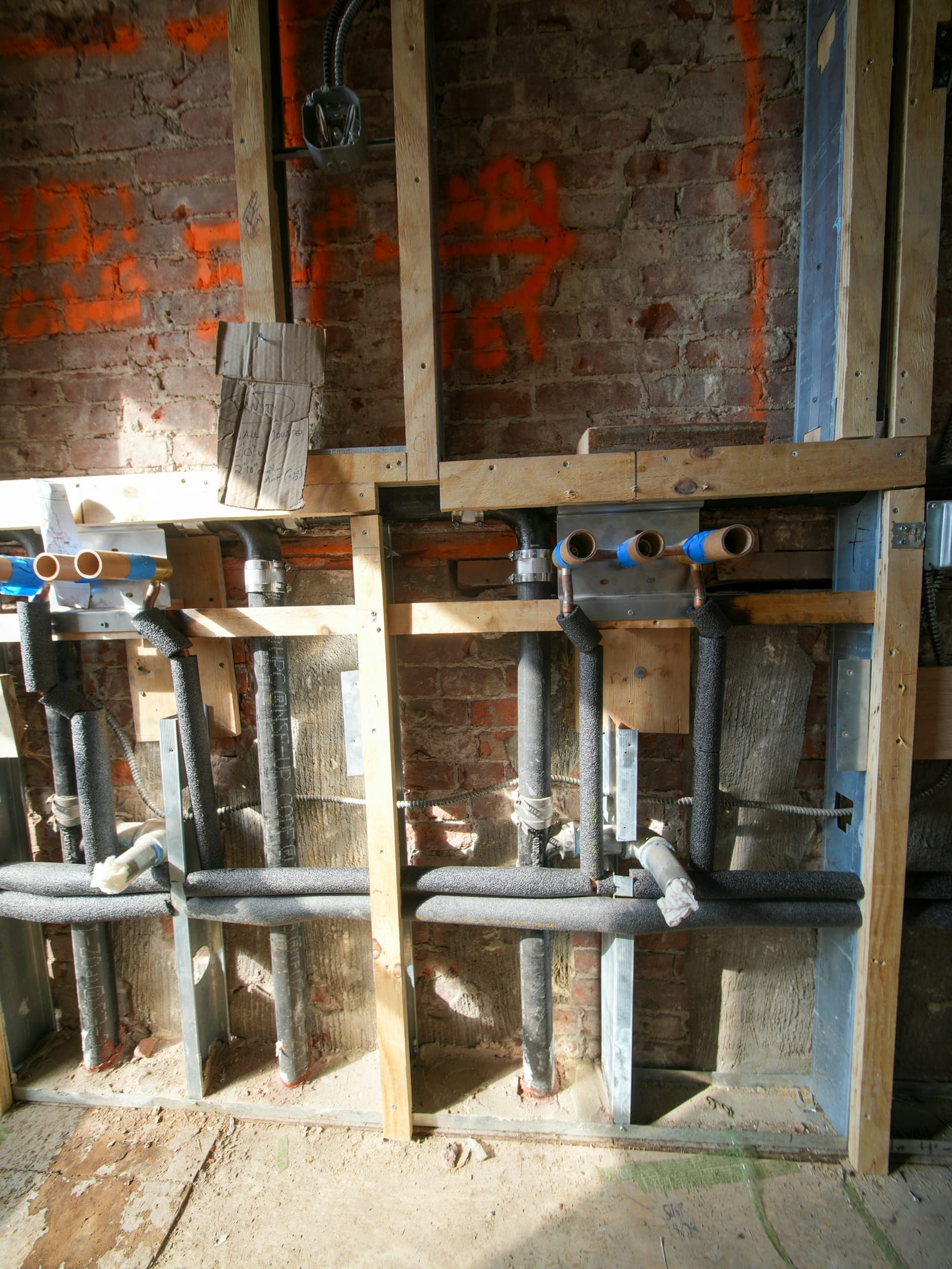
Give each plumber the same history
Gather the dates and locations of earlier leaks, photos and repair invoices. Note whether each involved hot or cold water if you know. Include visible pipe markings, but leave concealed piping for the plumber to inspect.
You don't need to explain the cause. The record helps the plumber see what has happened beyond today's leak.
What the three options mean
Repair: Fix the identified failed spot. Ask what surrounding pipe stays and whether the plumber found anything else that needs attention.
Partial replacement: Replace a particular line, branch or area. Get the start and end points and the fixtures served. “Replace hot water line” could mean one bathroom's supply or something much broader.
Repipe: Replace a larger part of the plumbing, with the included lines named. Indoor supply piping, the service line from the street, outdoor faucets and irrigation connections are separate items. Don't assume the word “whole” includes all of them.
What happens to the walls?
Ask where the plumber expects to open walls or ceilings and who closes them afterward. Drywall, texture and paint can be included, excluded or handled by someone else.
Also compare the proposed pipe and connections, testing, permits, cleanup, expected water interruptions and workmanship warranty. These details matter whether you're replacing one run or much more.
When the recommendations differ
Ask each plumber to explain what their option fixes, what stays and what alternatives they considered. A broader replacement needs a reason. A smaller repair needs a clear explanation of its limits.
For substantial work, a second opinion can help you understand why the recommendations differ.
Check the company's license, and confirm the permit requirements for the proposed work with the responsible building department. Then compare complete prices for the work each shop is actually offering.
Sources
- Nevada State Contractors Board, homeowner checklist: www.nvcontractorsboard.com/wp-content/uploads/2025/08/Bill_of_Rights.pdf
- Nevada State Contractors Board, license search: app.nvcontractorsboard.com/Clients/NVSCB/Public/ContractorLicenseSearch/ContractorLicenseSearch.aspx
- Washoe County, what requires a permit: www.washoecounty.gov/building/getting_started/what_requires_a_permit.php